
¿Cuánto cuesta 1 paquete de levadura en cucharaditas?

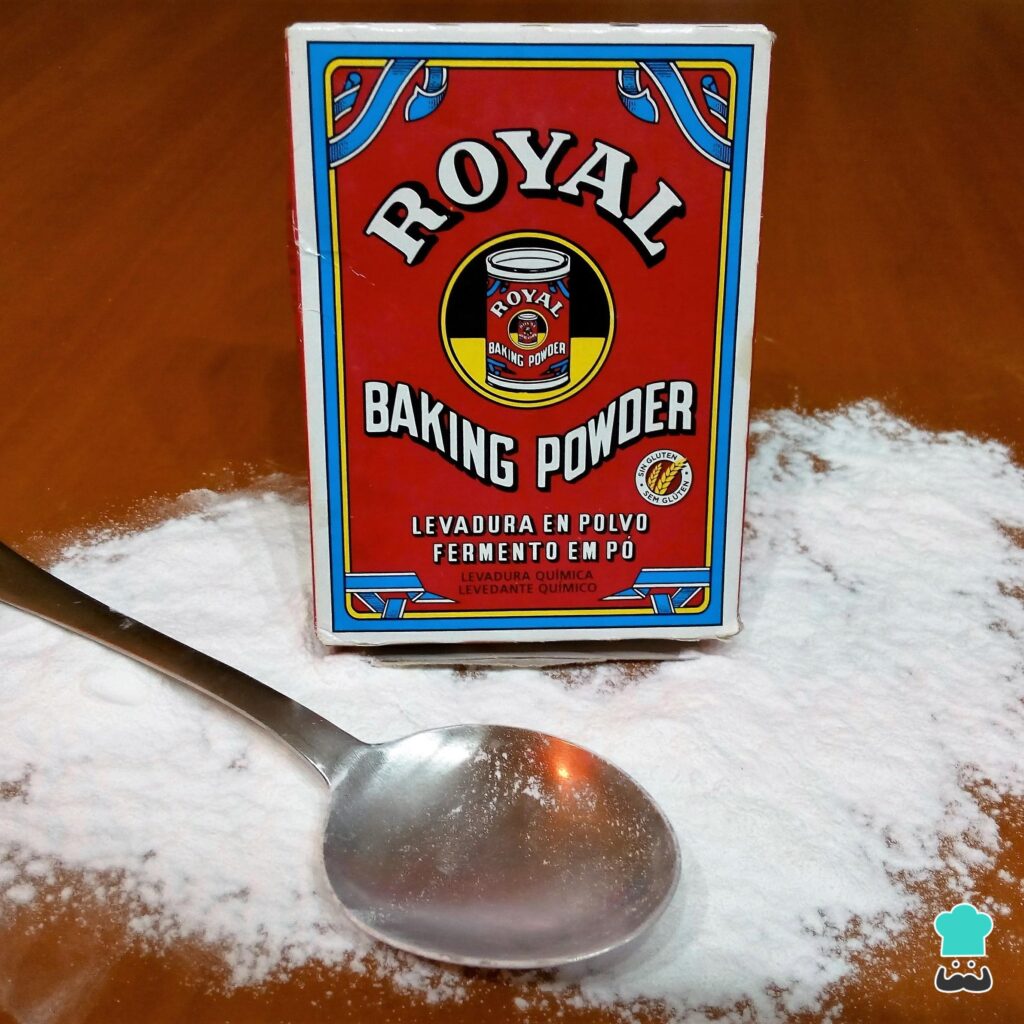
Siempre he tenido curiosidad por saber cuánta levadura hay en esos pequeños paquetes. Ya sabes, ¿los que encuentras en el pasillo de repostería? Bueno, investigué un poco y tengo las respuestas para ti.
En este artículo, nos sumergiremos en el mundo del envasado de levadura y descubriremos las medidas estándar. Incluso le mostraremos cómo convertir esos tamaños de paquetes en cucharaditas, para que nunca más tenga que adivinar.
¡Prepárate para convertirte en un profesional de la medición de levadura!
Puntos clave
- La levadura debe almacenarse en un lugar fresco y seco para mantener su eficacia.
- La temperatura ideal para almacenar la levadura es de entre 40 y 50 grados Fahrenheit.
- La medición precisa de la levadura es crucial para una cocción exitosa.
- Para convertir el tamaño de los paquetes de levadura a cucharaditas, use el factor de conversión de 1 cucharadita equivale aproximadamente a 3 gramos de levadura.
Envasado de levadura: comprensión de las medidas estándar
¿Sabías que un paquete de levadura normalmente contiene 2 y 1/4 cucharaditas? Comprender el almacenamiento de la levadura y las conversiones de medición es esencial para una cocción exitosa.
A la hora de almacenar levadura, es importante mantenerla en un lugar fresco y seco. La temperatura ideal para almacenar la levadura es de entre 40 y 50 grados Fahrenheit. La humedad y el calor pueden activar la levadura prematuramente, haciendo que pierda su eficacia.
Para medir con precisión la levadura, es fundamental convertir la cantidad a cucharaditas si la receta requiere una medida diferente. Por ejemplo, si una receta requiere 1 cucharada de levadura, necesitarás usar 3 cucharaditas.
Knowing these conversions is vital for achieving the right balance of yeast in your baking, ensuring properly risen and flavorful results.
Converting Yeast Package Sizes to Teaspoons
To convert the sizes of yeast packages, you can simply divide the package size by the conversion factor.
When it comes to converting yeast measurements, it is important to understand the different sizes of yeast packets available in the market. Yeast packets are typically labeled with their weight in ounces or grams. The most common sizes are 0.25 ounces (7 grams), 0.33 ounces (9 grams), and 0.75 ounces (21 grams).
To convert these measurements to teaspoons, you can use a conversion factor of 1 teaspoon of yeast equals approximately 3 grams. Therefore, a 0.25 ounce (7 grams) yeast packet would be roughly equivalent to 2 and a third teaspoons, a 0.33 ounce (9 grams) packet would be approximately 3 teaspoons, and a 0.75 ounce (21 grams) packet would be about 7 teaspoons.
Calculating the Teaspoon Equivalent of 1 Package of Yeast
By understanding the conversion factor, you can easily calculate how many teaspoons are equivalent to one yeast packet.
When it comes to measuring yeast, it is important to note that yeast is typically measured by weight, not volume. This is because the weight of yeast can vary depending on the brand and type.
To calculate the teaspoon equivalent of one yeast packet, you need to know the weight of the yeast in the packet and the conversion factor for yeast to teaspoons. The conversion factor can vary, but a common ratio is 2 1/4 teaspoons of yeast per 1/4 ounce or 7 grams of yeast.
Therefore, if your yeast packet weighs 1/4 ounce or 7 grams, then it would be equivalent to 2 1/4 teaspoons of yeast.
How Many Teaspoons Are in a Typical Yeast Package
The typical yeast packet contains an equivalent of 2 1/4 teaspoons. However, it’s important to note that not all yeast packaging is the same. Some alternative yeast packaging, such as jars or bulk yeast, may not come in pre-measured packets. In these cases, you will need to convert the yeast measurements yourself.
To do this, you can use a kitchen scale to weigh out the desired amount of yeast in grams and then convert it to teaspoons using a conversion chart or online calculator. It’s always a good idea to check the specific instructions on the yeast packaging for accurate measurements.
Now that we know how much yeast is in a typical packet, let’s move on to some tips for measuring yeast in teaspoons.
Tips for Measuring Yeast in Teaspoons
Now that we’ve covered the typical amount of yeast in a packet, let’s explore some handy tips for measuring it in teaspoons. When it comes to measuring yeast accurately, there are a few alternative methods that can be used. One simple way is to use a kitchen scale to weigh the desired amount of yeast. This ensures precise measurements and eliminates any guesswork. Another option is to use a set of measuring spoons specifically designed for yeast. These spoons typically come in sizes ranging from 1/8 teaspoon to 2 teaspoons, making it easy to measure out the perfect amount. Additionally, some bakers prefer to use a graduated cylinder or a liquid measuring cup with milliliter markings to measure yeast. By following these alternative yeast measurement methods, you can ensure accurate and consistent results in your baked goods.
| Method | Description |
|---|---|
| Kitchen Scale | Weigh the desired amount of yeast using a kitchen scale for precise measurements. |
| Measuring Spoons | Use a set of measuring spoons specifically designed for yeast for easy and accurate measuring. |
| Graduated Cylinder | Measure yeast using a graduated cylinder for precise measurements in milliliters. |
| Liquid Measuring Cup | Use a liquid measuring cup with milliliter markings to measure yeast accurately. |
Frequently Asked Questions
How Long Does Yeast Typically Last After Opening a Package?
After opening, yeast typically lasts for about 4-6 months in the refrigerator. To revive expired yeast, proof it in warm water with sugar. There are different types of yeast such as active dry, instant, and fresh yeast, each with its own uses in baking.
Can I Substitute Active Dry Yeast for Instant Yeast in a Recipe?
Sure, you can substitute active dry yeast for instant yeast in a recipe. The main difference is that active dry yeast needs to be proofed in water first, while instant yeast can be added directly to the dough.
Is It Possible to Use Too Much Yeast in a Recipe?
Using too much yeast can affect the taste of baked goods and cause bread to rise too quickly. It’s important to follow recipes and measurements accurately to achieve the desired results in your baking.
How Should I Store Yeast to Ensure Its Freshness?
To ensure the freshness of yeast, it is important to store it properly. Proper storage techniques include keeping it in an airtight container in a cool, dry place. This helps prolong its shelf life and prevents spoilage.
Can I Freeze Yeast to Extend Its Shelf Life?
Freezing yeast can extend its shelf life, preserving its freshness for longer periods. It’s a beneficial technique that allows you to stock up on yeast and have it readily available whenever you need it.
Conclusion
In conclusion, understanding the standard measurements of yeast packaging can be helpful when converting to teaspoons.
By calculating the teaspoon equivalent of 1 package of yeast, we can ensure accurate measurements in our recipes.
Interestingly, a typical yeast package contains approximately 2 ¼ teaspoons of yeast. This statistic highlights the importance of precise measurements in baking, as even a small difference can affect the outcome of our breads and pastries.
Remember to follow these tips for measuring yeast in teaspoons to achieve the best results in your baking endeavors.
Arf, an author and an innovative enthusiast of coffee, coffee alternatives, and tea, plays a crucial role as a contributor to the esteemed Cappuccino Oracle platform. Renowned for his curiosity and passion for these captivating beverages, Arf has carved out a unique space for himself in the world of exploration and writing. He realized that coffee, coffee alternatives, and tea are not mere drinks to keep one awake, but universes of flavors and stories waiting to be explored.
Arf’s articles for Cappuccino Oracle blend meticulous research with personal experiences, providing readers with an in-depth understanding of various types of coffee, coffee alternatives, and tea, along with their unique characteristics, cultures, and histories. His honest reviews and engaging narratives guide readers on their own journeys, helping them discover their preferences and find their perfect brew.